

our 2026/2027 team
Don't be shy. Come say hi!
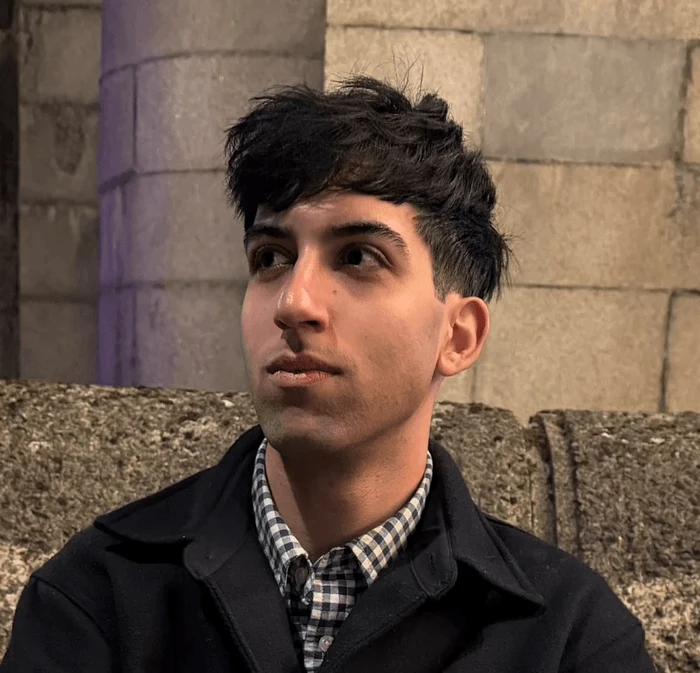
Naser Al-Rais, Co-President
Naser is a Genetics undergraduate at Christ’s College. Having researched neurodegenerative diseases across Cambridge's Knowles Lab and Harvard's Church Lab, he endeavours to make the first disease-modifying therapeutic for Parkinson's Disease. Outside of the lab, Naser likes lifting weights, having competed nationally in powerlifting. (ana43@cam.ac.uk)
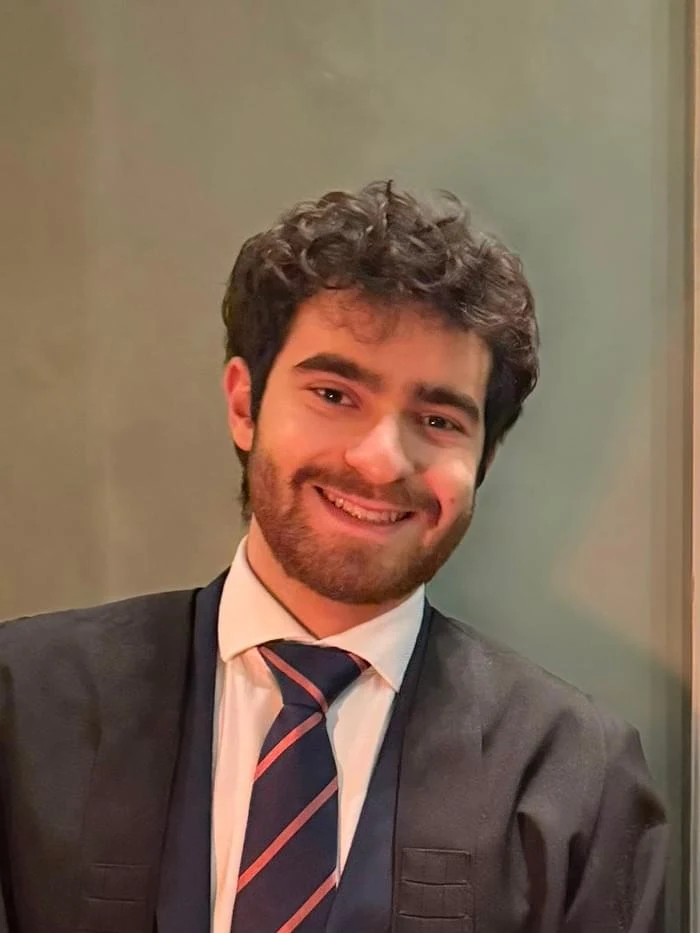
Peter Saba, Co-President
Peter is a medical and engineering student completing his pre-clinical studies at Emmanuel College, most recently having researched the evolution of eukaryotic cell division with the Buzz Baum lab at the MRC LMB. His interest in longevity science began in secondary school after encountering epigenetic theories of ageing. He is particularly interested in translating advances in longevity research to the clinic, with the goal of enhancing healthspan and improving treatment for age-related disease. (pss51@cam.ac.uk)
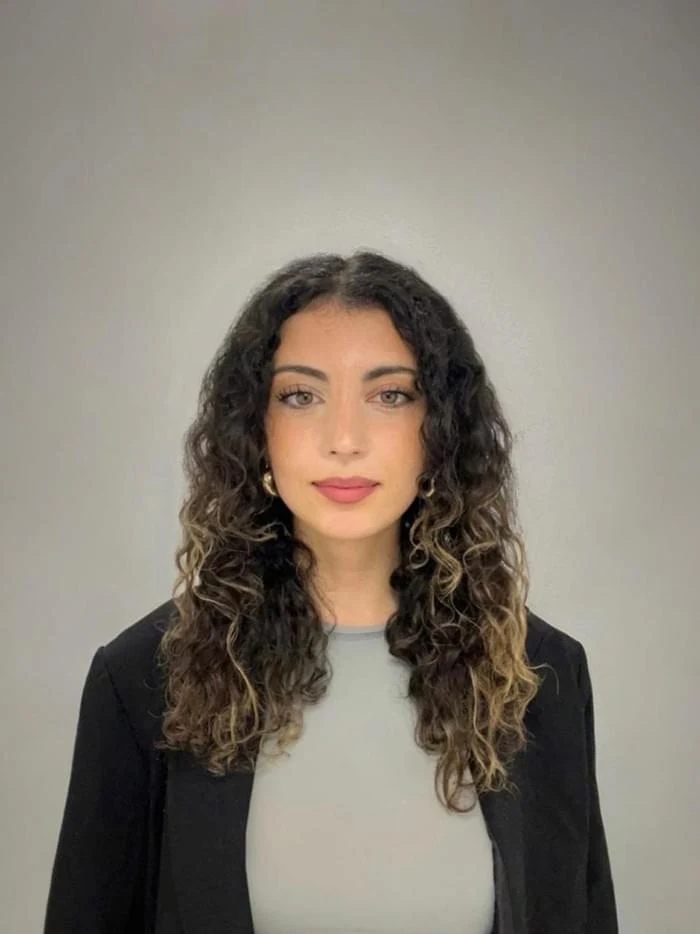
Sandra Navarro, Co-Head of Events
Sandra Navarro is a PhD student in the Knowles Lab, Department of Chemistry (Christ's College). With a background spanning physics, engineering, and pharmaceutical sciences, she brings an interdisciplinary approach to neurodegenerative disease research, an interest that grew out of her Master's thesis work and a personal connection through her family. She is currently developing a digital droplet seeding amplification assay for Alzheimer's disease, aiming to detect misfolded protein aggregates with high sensitivity to enable earlier diagnosis. (sn692@cam.ac.uk)
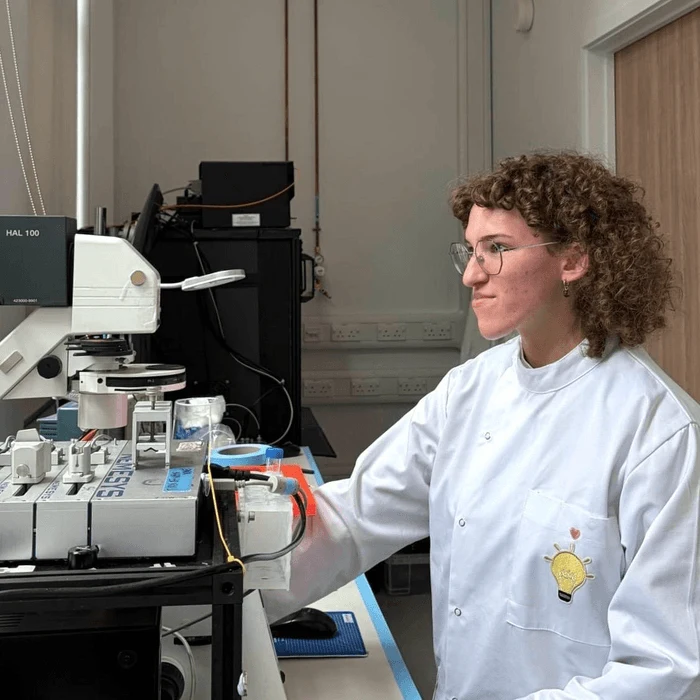
Ieva Baronaite, Co-Head of Events
Ieva is a PhD student in the Department of Chemistry at the University of Cambridge, where she uses microfluidics to develop an assay for detecting aberrant protein aggregation, associated with neurodegenerative disorders, such as Parkinson’s disease. Before coming to Cambridge, Ieva completed her master’s degree at Heidelberg University, Germany, and her bachelor’s degree at Vilnius University in her home country Lithuania. It was during her bachelor studies that her interest in protein phase transitions and their role in disease was first sparked. (ib551@cam.ac.uk)
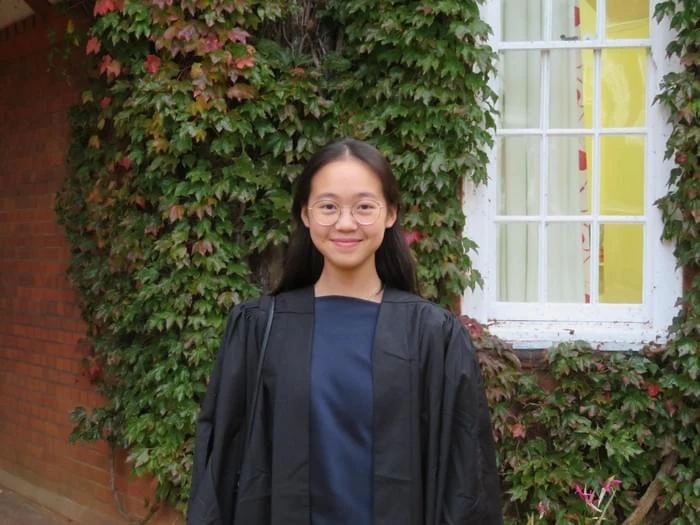
Rosalyn Cheng, Head of Partnerships
Rosalyn is a third year medical student from Newnham College. She has done research internships in Hong Kong, UK, and US, with focus on cancer biology. She is interested in epigenetics and cell differentiation states, with applications to cancer and aging. (rcc60@cam.ac.uk)
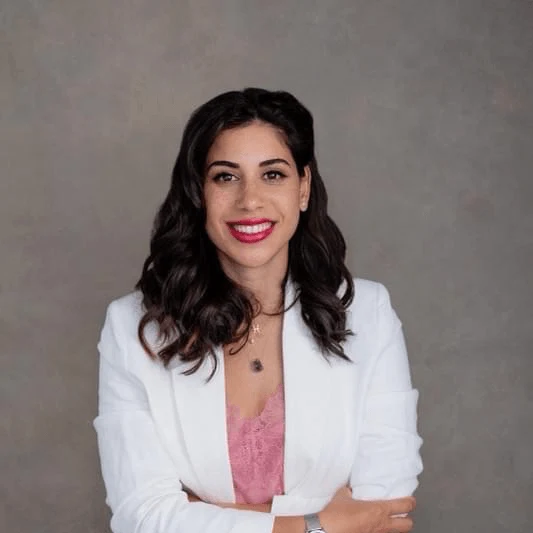
Thana Asaad, Head of Speaker Relations
Thana is a Public Health and Behaviour Change postgraduate at Brunel University London and is soon to qualify as a Level 2 fitness instructor. With over 14 years of experience in media and strategic communications, she wants to use her power skills to influence beliefs, knowledge and behaviours around aging and healthspan. Outside work, she enjoys eating, dancing, beach-ing and cleaning! (thana@klarcx.com)
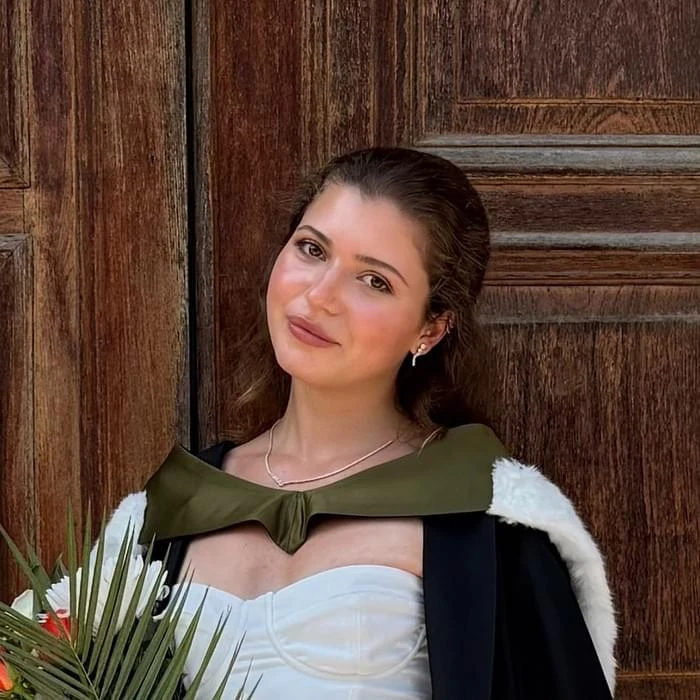
Sudem Ilgaz, Speaker Relations
Sudem is an MPhil student in the Department of Genomic Medicine and a member of Darwin College. With a background in Molecular Genetics, her interest in longevity developed through her fascination with epigenetics and an awareness of how much control one can have over their long-term health. Her current research interest lies in the epigenomics of common diseases, with a focus on prevention. (si405@cam.ac.uk)

Naja Kobal, Partnerships and Events
Naja is a PhD student in Eric Miska’s lab at the University of Cambridge. She studied Molecular Genetics at King’s College London, with an exchange year at UC Berkeley focusing on cell and molecular biology. Her research experience spans neurodegeneration, protein synthesis and the regenerative capacity of ageing cells. She is interested in how RNA and chromatin regulation contribute to cellular dysfunction during ageing and how targeting these processes could inform therapies for age-related disease. Outside the lab, Naja enjoys climbing, hiking and going to music festivals. (nk724@cam.ac.uk)
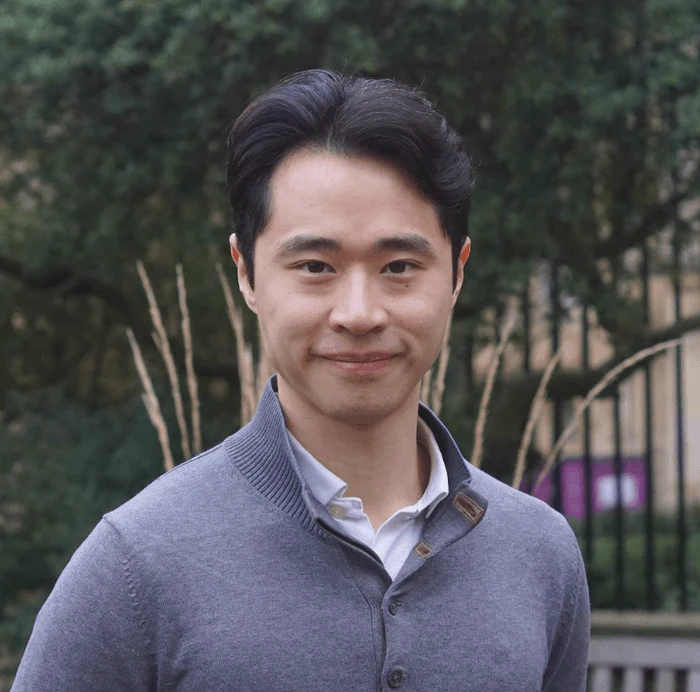
Wen Kin Lim, Senior Advisor
Wen Kin Lim is a Harding PhD Scholar at the Babraham Institute and University of Cambridge (St Catharine’s College). He became interested in longevity research during his undergraduate thesis research on signalling in stem cell regulation and ageing. He is particularly interested in how tackling ageing can be the most powerful way to achieve preventive medicine and improve modern healthcare. Wen’s current PhD research is on the mechanisms of ageing, specifically the loss of protein homeostasis and RNA oxidative damage that accumulates with age.
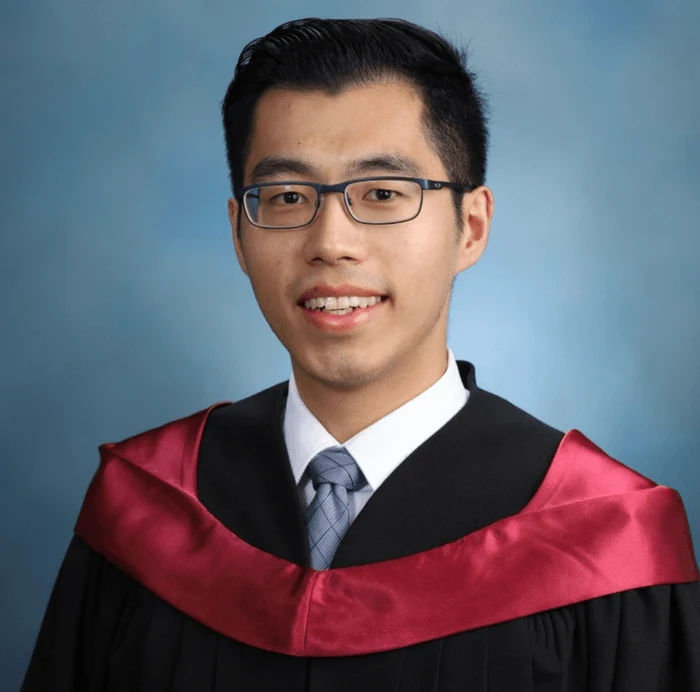
George Han, Senior Advisor
George Han, a PhD student at CIMR, discovered his passion for ageing and neurodegeneration research through senior home volunteering. He has since studied nanoparticle-mediated drug delivery, Alzheimer’s disease and progeria syndromes and now focuses on a rare metabolic neurological disease.
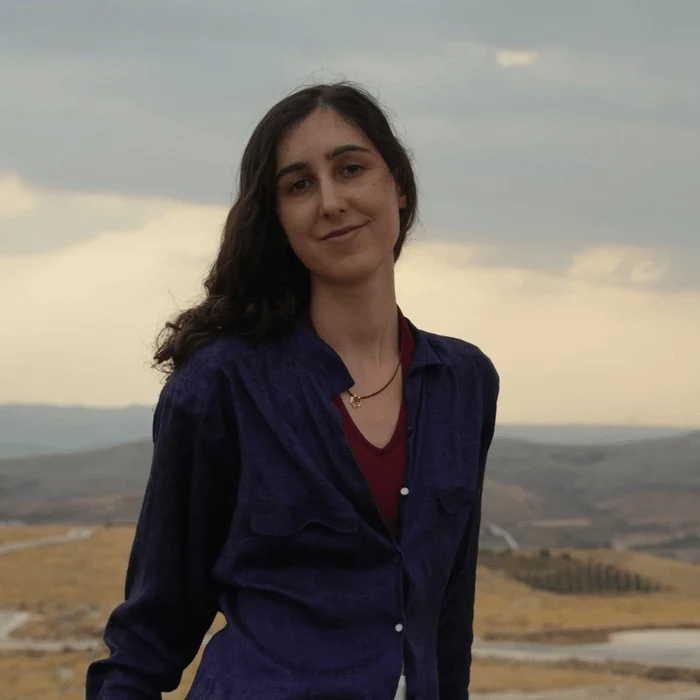
Maja Kaczmarek, Advisor
Maja’s interest in longevity started when she was undertaking a research project on stem cell therapies in multiple sclerosis at the University of Edinburgh. It was then that she explored the link between premature ageing processes and MS, and realised that ageing processes affect most, if not all diseases. Her main interest now lies at the intersection of neurodegeneration and ageing, and she is currently researching autophagy pathways in neurodegeneration as part of her PhD at Babraham Institute.
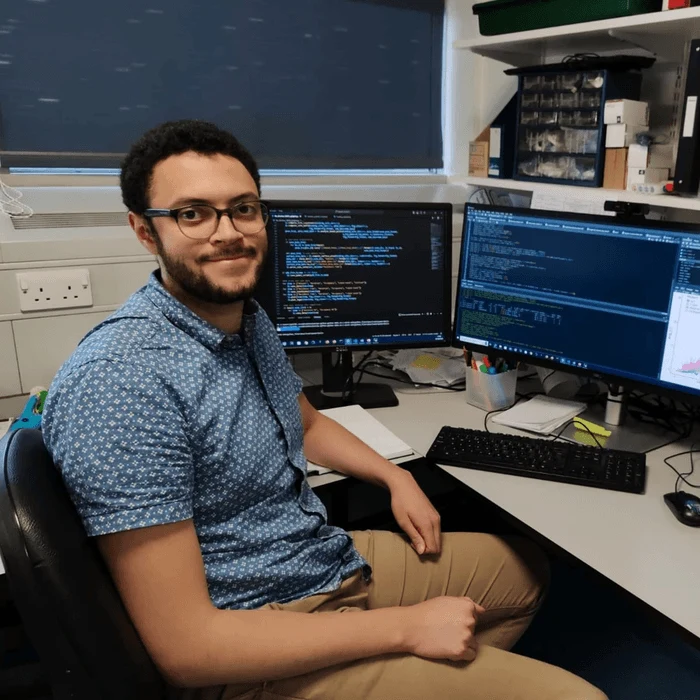
Jack Welland, Advisor
Jack Welland is the Michael House PhD Scholar at the Cambridge Institute for Medical Research (St John’s College). He utilizes both computational and structural techniques to study how enzymes interface with membranes to conduct their function. Jack's interest in ageing research is focused on how increasing healthspan may prove the most effective strategy to tackling age-related neurodegenerative diseases (e.g., Alzheimer’s).
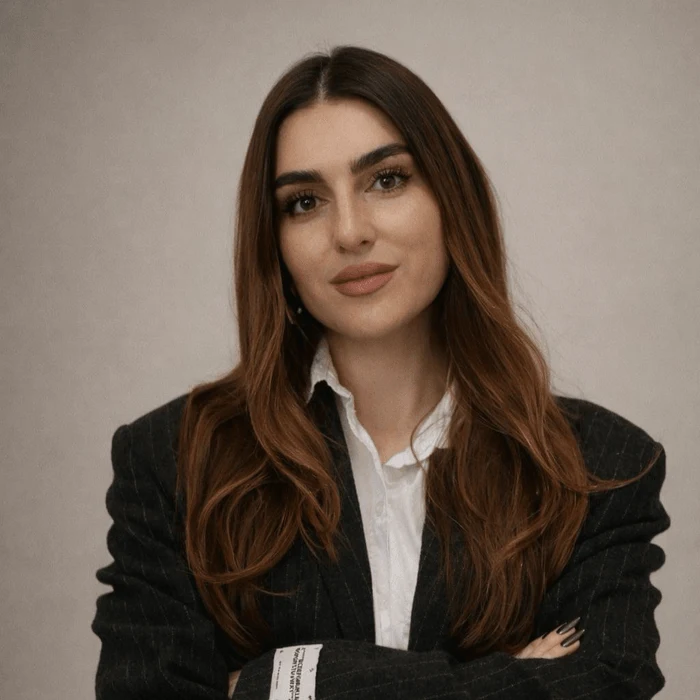
Petya Kamburova, Advisor
Petya is the Founder and CEO of Collagen Clinic London, and Managing Partner at the Longevity Consulting Group, where she focuses on skin health and commercialising longevity innovations. With over 12 years of experience in business and technology, she specialises in go-to-market strategies that bridge the science-to-market gap. She holds an MPhil in Bioscience Enterprise from the University of Cambridge and is an Advisor to the Society of Ageing and Longevity Research. Previously, she scaled global tech startups and developed digital products for the WHO, leveraging her expertise to empower patients through knowledge and control. She is an avid biohacker with a biological age 33% younger than her chronological age.
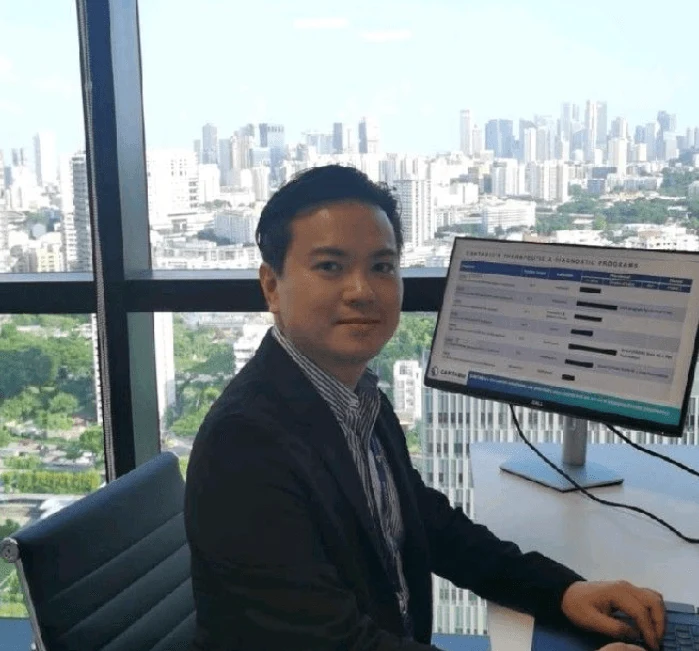
Max Zhu, Senior Advisor
Max is a venture capital investor, venture builder, and creator. He is heavily involved with multiple biotech, diagnostic, digital health, and AI companies across UK, Europe and Asia. He holds a PhD and EMBA from the University of Cambridge